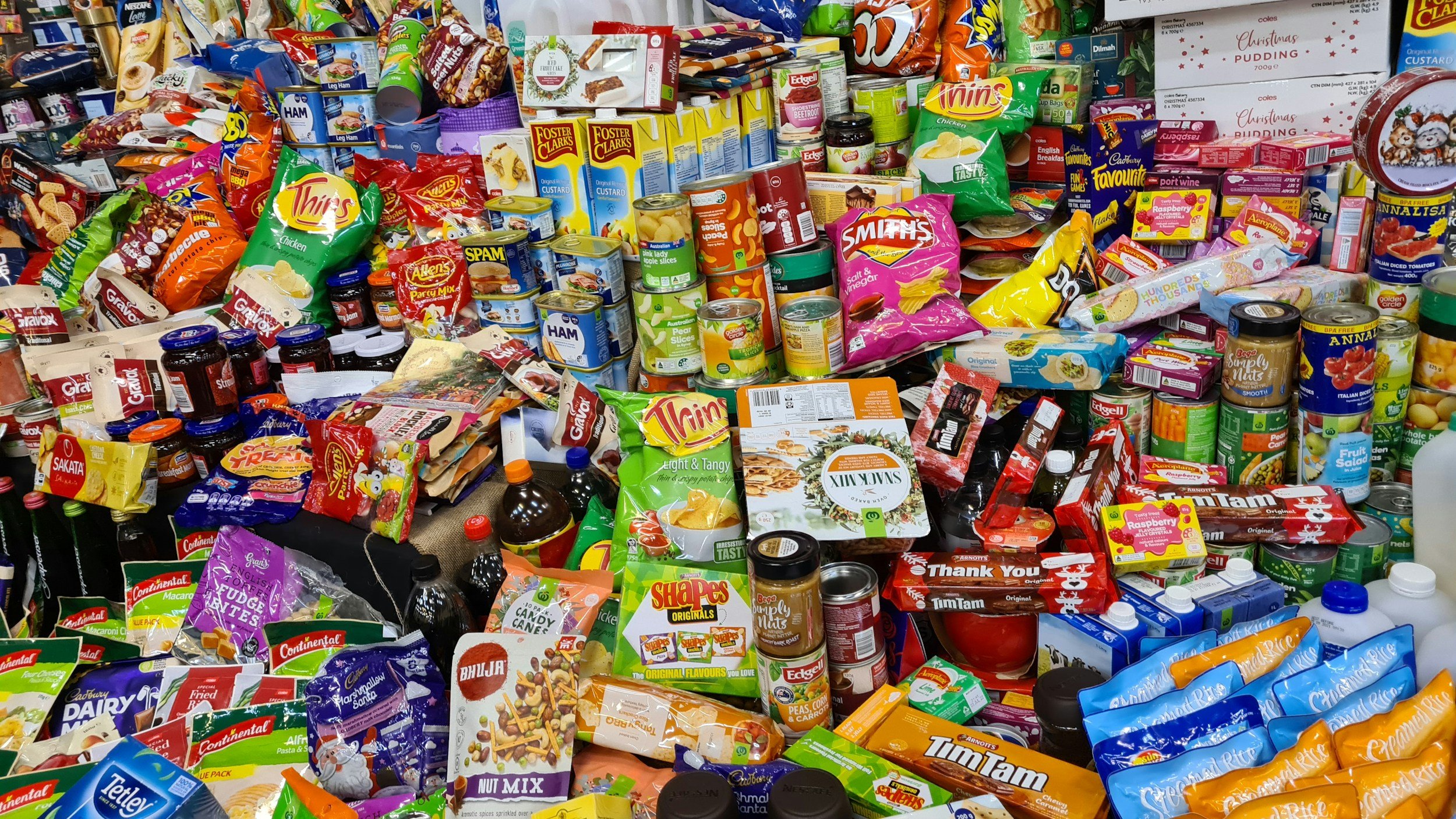
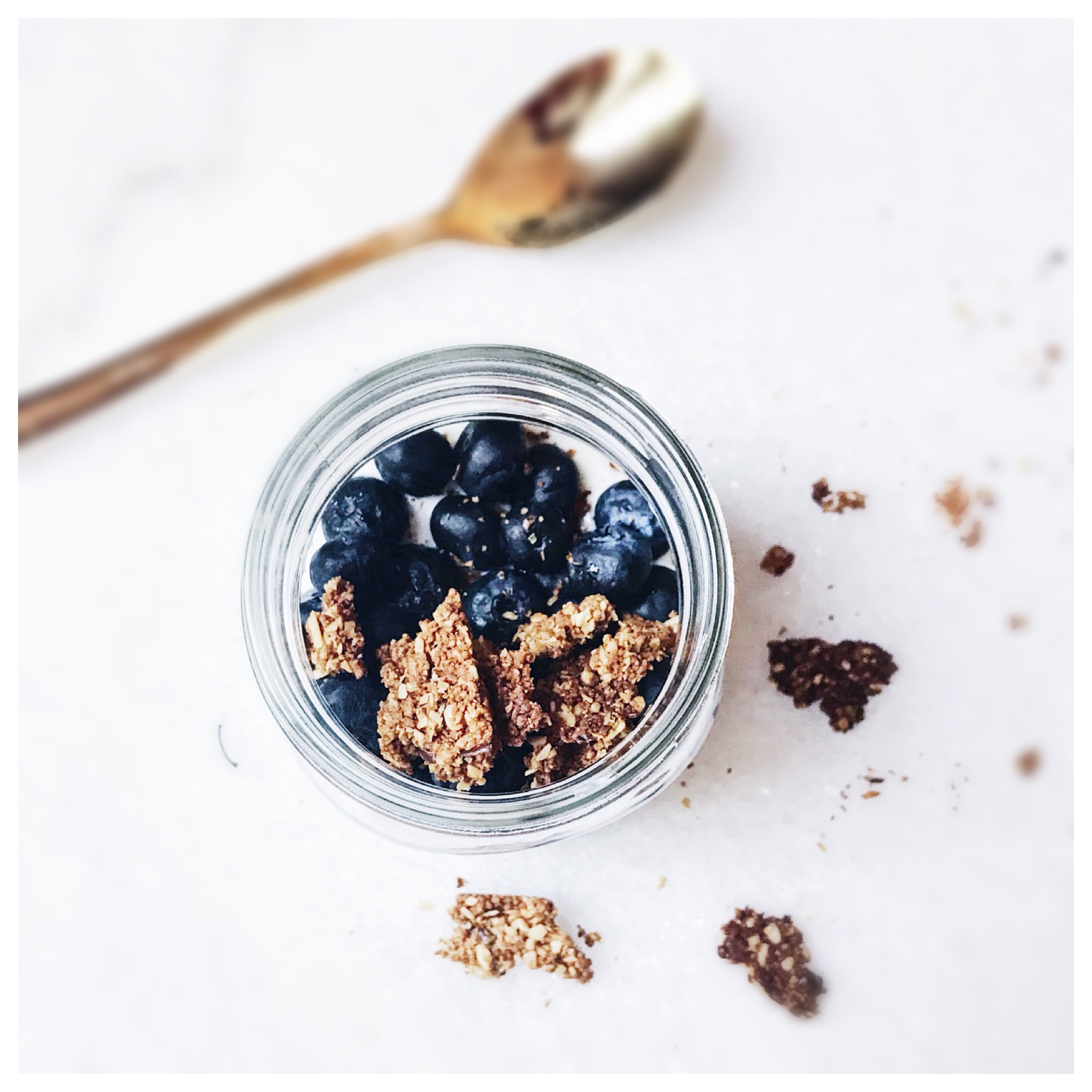
Overall, yes, young athletes want to eat "healthier" foods because these are going to supply them with: (1) ample energy to work their hardest (2) sustained energy for longer practices and maintained focus (3) strong bones to withstand the constant pounding and stress put on them (4) decreased inflammation after wear and tear of muscles, tendons, ligaments, etc. and (5) strong muscles to keep them running, kicking, hitting, jumping, swimming and diving. There is the saying that a sport is 90% mental and 10% physical. I can see the validity in this statement; however, even with the toughest "go-get-em" attitude, an athlete can only get so far if he or she does not have the proper nutrition as a foundation. Yes, this strong-willed attitude may work for a short while, but if the athlete keeps going, keeps advancing with longer practices and harder workouts, eventually poor nutrition (whether that's too much of the nutrient-void foods, too little of the nutrient-dense foods, or just too little food in general) will catch up with him or her. So, yes, there can be room for favorite desserts, chips, french fries, etc., but these foods have to be placed at the right time and these lower nutrient foods can't crowd out the ones that fuel the sport, growth, and school work.
Wrapping it up, this is what has been on my mind this week. Of course, every athlete has his or her own unique nutrition needs depending on factors including, but not limited to, age, weight, height, and sport played. However, at the root of all of my different talks for different teams and with different athletes is the following message:
You've got to get you fruits, vegetables, whole grains, lean protein, calcium and healthy fats to play / perform your best.
That doesn't mean you cannot or should not ever include you favorite foods that don't fall into the categories in #1.
Understanding digestion rates / timing is helpful so you know the best time to enjoy those favorite foods that may not be the best fuel for your sport. Knowing this will also help you incorporate those favorite foods that do best fuel your sport, helping you place them at the right times before, during and after events.
Also remember that you're an athlete. If you're a serious competitive or elite athlete, you're using up a lot more energy and nutrients than your non-athlete peers. This means you most likely have to eat more food. Under-eating or under - fueling doesn't make great athletes. It makes great injuries.
So, eat your meals and pack your snacks. Load them up with the nutrient-rich foods to support training, but enjoy your favorite foods along the way - whatever those may be.
Happy Fueling!
Taylor