Be Supplement Savvy

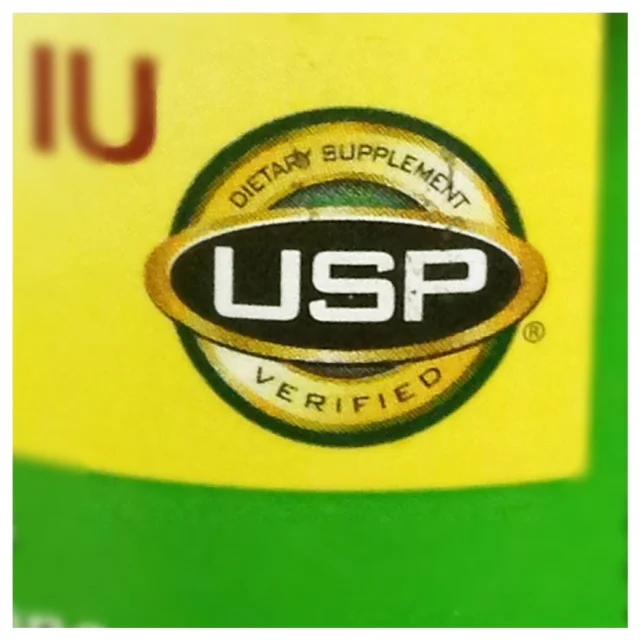
USP pic.jpg

If you feel you must supplement, make sure you are choosing supplements that are safe.  Did you know that the FDA does not regulate supplements?  The FDA only intervenes and can pull a supplement off the shelf if it has been found to be unsafe.  This basically means that someone has to have an adverse reaction bad enough that it becomes big enough news for the FDA to step in. Because the FDA does not regulate, we are relying on the manufacturer to be truthful in its ingredients listings and trust that it contains no more and no less than what it states on the label.  Unfortunately, studies and testing have found that the label is not always completely accurate.  This can be dangerous to any individual;  however, it can be even more detrimental to the young athlete because the unmentioned ingredient in a supplement may be one that is banned in sport (such as a stimulant).  If an athlete were to be tested and found positive for a banned substance, their defense of "not knowing" would not suffice.

All of that to say, there are several organizations that regulate supplements and examine them for good manufacturing practices and truth in labeling.  You can look up specific supplements on the organization's websites and some of them include a label on all supplements they have reviewed and approved (like the USP stamp above).  Check out one of thee sites below before you or your athlete start to supplement:

NSF Certified for Sport - http://www.nsfsport.com

U.S. Pharmacopeia - http://www.usp.org

Drug Free Sport - http://www.drugfreesport.com

Informed Choice - http://www.informed-choice.org

As a reminder, unless otherwise stated by your doctor, you should be able to obtain optimal fuel and nutrition from the foods you eat and the drinks you drink.  However, if supplementation is still needed or desired, I hope this information can be used as a guide to make the safest choices.

Supplement Safely & Happy Fueling!

- Taylor

Find It In Your Food

peppers, eggs, spices, measure cups.PNG

This month is all about the facts in our food.  Its focus is on learning about the food we eat and why our bodies need it.  While, yes, supplements are certainly required and necessary for certain medical reasons, the generally healthy person can acquire what they need through the foods that they eat.  If we are choosing the right foods, we are often getting a lot more nutrition in these foods than we think.

I will go into detail about supplements in a later post, but, overall, this month I want you to explore with me the power and magnificence of pure, fresh food and the benefits that these foods hold - the ability to energize our bodies, clear our minds, improve our moods, sharpen our eyes, speed our healing, brighten our smiles, and tantalize our taste buds.  I think food is powerful, magical, medicinal, and, other medical complications aside, it can provide all that we need to be and work at our best.  As long as I'm able, I will pick food first.  I will choose the delight of smelling it, tasting it, pairing its different flavors and textures and temperatures, sharing it with good friends and family, or simply breaking for 10 minutes to savor it on my own over taking pills and supplements.

I hope this month you share in my love and joy and excitement for fresh wholesome food and learn the ways it can empower you to be your strongest, fastest, sharpest self.

Below is a general guide to knowing your food better.  Of course, some of these foods contain more vitamins and minerals than I list here, but I'm including what I get asked about most often.  Follow along on my Instagram account (@thediningdietitian) to learn more about the nutrients in your food this month!

POWER PLAY FOOD GUIDE:

Tomatoes kale, beans onion.JPG

Meat [beef, poultry, chicken, fish, & eggs] &                               "Meat Substitutes" [beans, tofu, lentils or "plant proteins"]

  • Iron

  • Protein

  • Zinc

  • Vitamin B12 [only in animal sources]

  • NOTE: Pair a source of vitamin C with the plant sources to improve their iron absorption in the body.

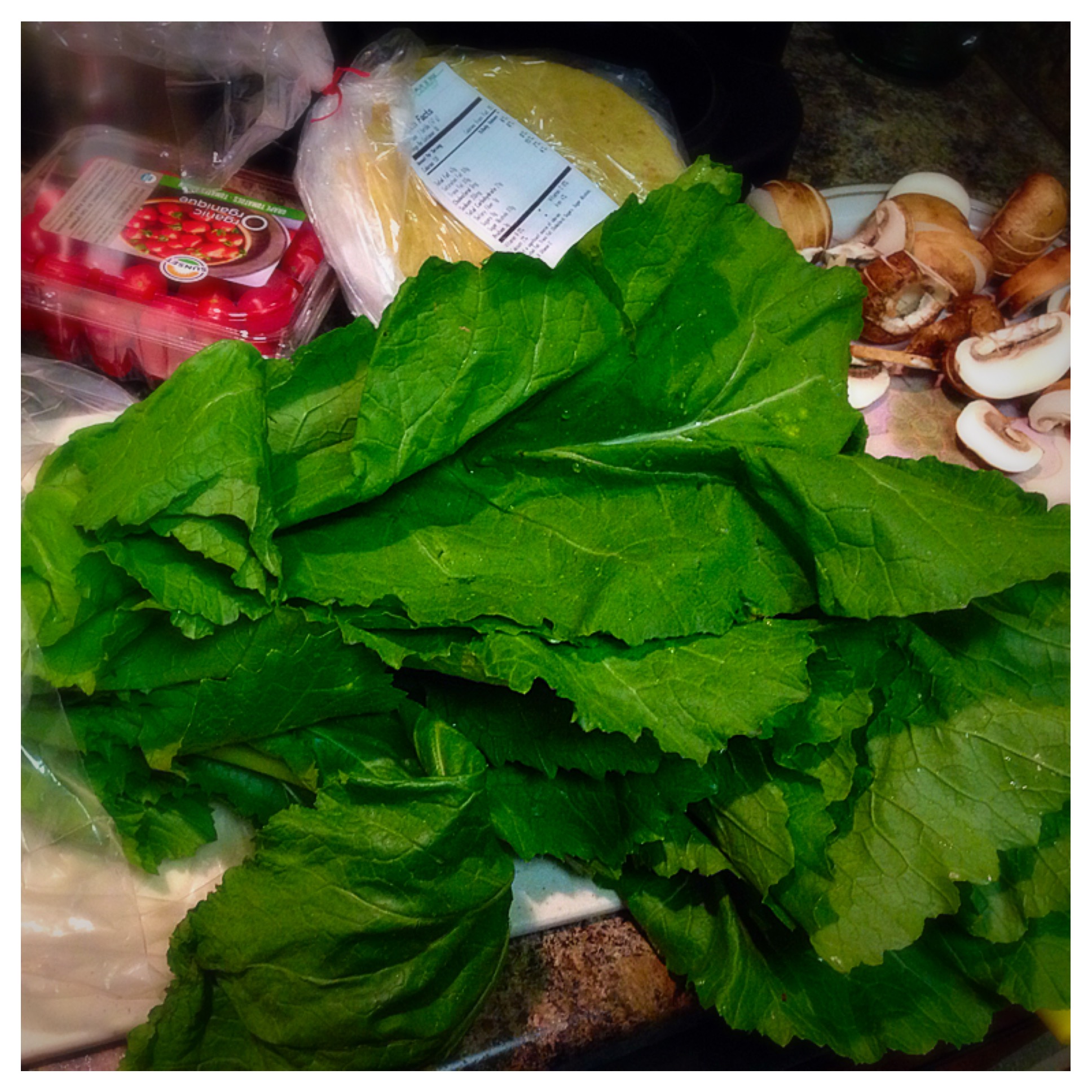
Mustard Greens.JPG

Green Fruits & Veggies [leafy greens, broccoli, avocado, kiwi]

  • Iron (not as much in kiwi)

  • Folate

  • Vitamin K

  • Potassium

  • Carotenoids (such as lutein in avocado)

Red Fruits & Veggies [bell peppers, tomatoes, watermelon, pink grapefruit]

  • Lycopene

  • Vitamin C

Yellow / Orange Fruits & Veggies [carrots, mango, winter squash, sweet potato, cantaloupe, apricots,  pumpkin]

  • Vitamin C

  • Beta - carotene (precursor to vitamin A in the body)

Blue / Purple Fruits & Veggies [eggplant, plums, blueberries, blackberries, pomegranate]

  • Anthocyanins (powerful antioxidants)

Whole Grains [rice, quinoa, pasta, oatmeal, cereals, granola bars, bulgur, etc.]

  • Fiber

  • Phosphorus

  • Magnesium

  • Iron (if iron fortified)

  • Manganese

  • Protein (in varying amounts)

Low-Fat Dairy [milk, yogurt, cheese, etc.]

avocado.JPG
  • Protein (whey & casein - a good combination for building or maintaining lean muscle)

  • Calcium

  • Potassium

  • Vitamin D (in fortified products)

Healthy Fats [olive, canola & flaxseed oil, nuts & seeds, nut & seed butter, avocado, salmon & tuna]

  • Monounsaturated Fats

  • Polyunsaturated Fats

  • Vitamin E


I hope you can use this list as an easy guide to fill your and your athlete's plates, lunch boxes, and snack bags this summer.  Be on the lookout for more posts detailing what these specific nutrients can do for you!

Happy Fueling!

Taylor